It is not difficult to buy a crypto, but not everyone knows how to withdraw it in hryvnia so as not to lose too much and not to fall for fraudsters. We break down three work paths, the real math of commissions, and common pitfalls that cost people money.
There are three main ways to withdraw crypto to hryvnia
All options boil down to one thing: someone has to buy a digital asset from you and pay in hryvnias to your card or account. The only difference is who this "someone" is and how much he charges for mediation.
- P2P on the exchange. You post an ad or respond to someone else's, the buyer transfers hryvnias to your card, the exchange holds the crypto in escrow until confirmation.
- Selling on the exchange for fiat. Some platforms allow you to sell an asset for hryvnia directly and withdraw it to a Visa/Mastercard card. It's easier, but the rate is usually worse than P2P.
- Crypto exchange. Online service or offline point: you send the asset to their address, they pay in UAH. It's fast, but here is the biggest spread by course and reputation.
Step by step: P2P on the exchange
This is the most popular path for stablecoins, and this is where beginners often go wrong due to inattention. The general scheme is as follows:
- Get verified on the exchange. Without it, the P2P section is usually unavailable.
- Transfer the asset to a spot or financial wallet from where it can be listed for sale.
- Choose a buyer's ad: see not only the rate, but also the number of deals, the percentage of completion and reviews.
- Enter your card details. It should be your account in your name - so less problems with the bank.
- Wait crediting hryvnias to the card, check it in the bank application, not in the screenshot from the buyer, and only then confirm receipt on the exchange.
The last point is the most important. Screenshots of "successful transfer" are faked, and the only reliable proof is the movement of funds in your account.
How much does it really cost?
The commission is not a single figure, but the sum of several layers. Therefore, compare the result "how many hryvnias came to the card", and not the declared fee.
- the commission of the exchange for the transaction (on P2P it is usually zero for the seller, on the spot market - fractions of a percentage);
- the difference between the official rate and the deal rate (implicit commission, which is the main cost);
- network fee, if the asset must first be transferred between wallets;
- bank commission for receipt or further transfer.
A simple example: you sell 1000 USDT. If the total losses amounted to 1%, this is approximately 10 dollars, that is, about 450 hryvnias at the dollar exchange rate. One and a half percent already means more than UAH 650. For small amounts it is a trifle, for large amounts it is already tangible money, so it is worth comparing at least two or three ads.
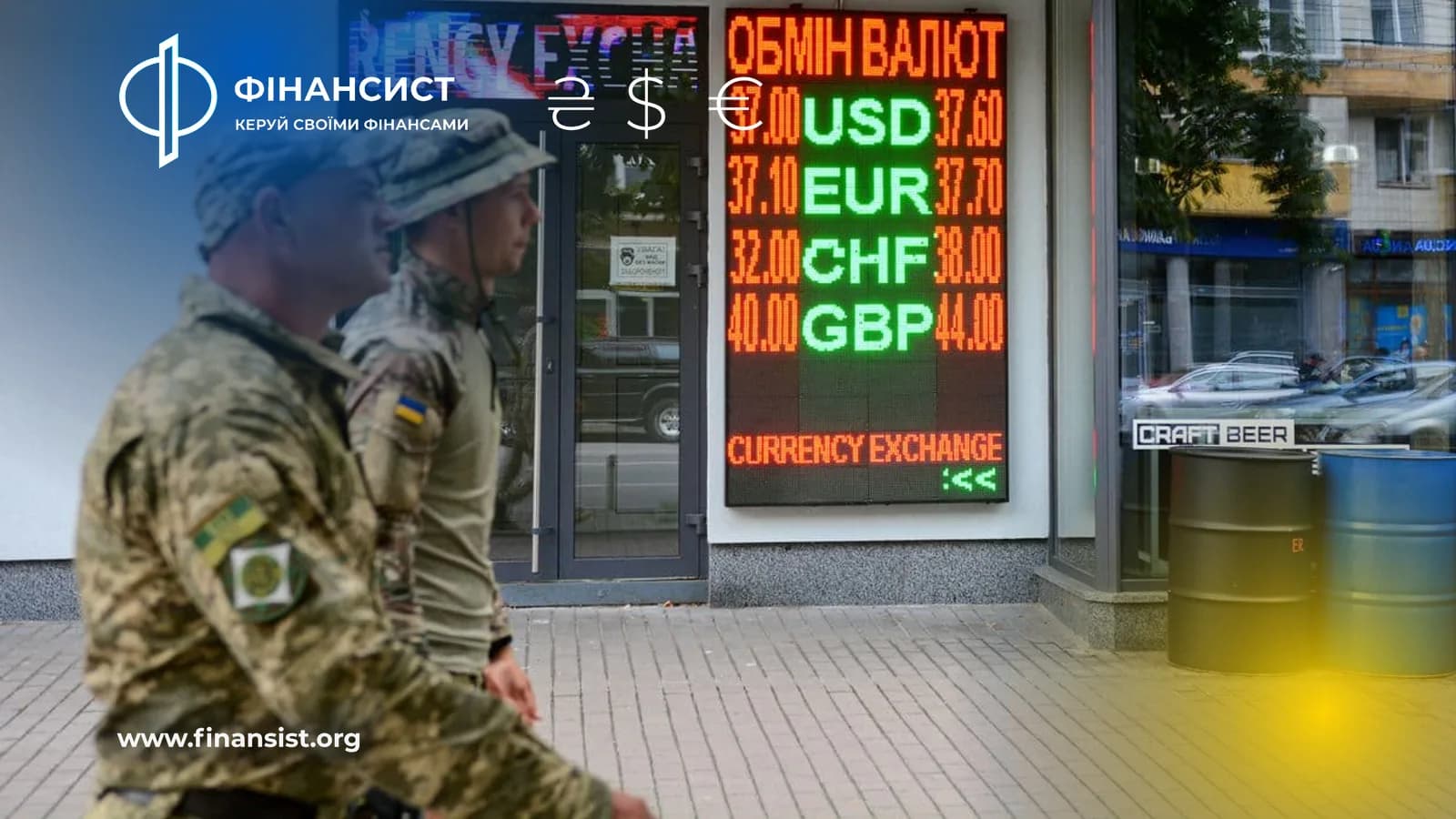
For a guide, follow the dollar exchange rate: as of November 21, 2026, the NBU has set USD exchange rate UAH 45.05, and the monobank buys a dollar at UAH 44.91 and sells it at UAH 45.40. If the P2P USDT selling rate is significantly lower than the bank buying rate, you are overpaying for convenience. Fresh figures for banks are always available on the page comparison of courses.
Comparison of methods
Money-losing pitfalls
Card blocking or requests from the bank
Banks are obliged to monitor suspicious transactions. A series of small transfers from different strangers with the same payment purposes can trigger a document request or a time limit. Keep proof of origin of funds at hand: asset purchase history, stock exchange statements. Don't ask buyers to mention crypto in the payment note, but also don't hide the origin if the bank asks directly.
"Dirty" money from the buyer
If hryvnias came from a person who himself became a victim of fraudsters, your account can be frozen. That is why it is better to work with buyers with a history of transactions, and not with newcomers who offer a rate that is more profitable than the market rate.
Network and address errors
Sent USDT to the wrong network - money can disappear forever. Before any transfer, make a test transaction for a minimum amount and check the network match of both services.
Fake exchanges and "support" in the messenger
Fraudsters create copies of well-known platforms and write in private messages on behalf of the support service. None of the official services ask for yours seed phrase or code from SMS. Access the exchange only through the bookmark that you created yourself.
Taxes and the law: what to consider
The regulation of virtual assets in Ukraine is developing, and the rules on taxation of income from their sale are being clarified. In general, the income of an individual from the sale of assets with a profit can be subject to taxation, but it is better to check the specific rates and declaration procedure at the time of the transaction on the website of the tax office or with an accountant. Keep transaction history: date of purchase, amount, date of sale. Without this data, it will be difficult to prove how much you actually earned.
When it is better not to rush to a conclusion
The price of the asset itself also affects the result. After sharp declines, such as bitcoin monthly fall, many people panic sell at the bottom and record a loss. If the money is needed for a specific expense, a part can be converted into a stablecoin in advance to protect against volatility, and only then be withdrawn into the hryvnia. For long-term goals, compare crypto with classical instruments: see our review, why the perfect investment does not exist.
A short checklist before withdrawal
- Compare the transaction rate with the bank rate on the page exchange rates.
- Calculate the total in hryvnias, not commission percentages.
- Start with a test amount.
- Accept money only on your own card.
- Confirm receipt only after verification in the banking application.
- Keep a history of transactions for taxes and the bank.
Frequently asked questions
Which withdrawal method is the cheapest?
Usually P2P on a large exchange: the exchange does not take a commission from the seller, and the exchange rate is close to the market rate. But it requires attention. For small lump sums, a simple sale on the exchange is often more peaceful, even if the profit is slightly smaller.
Can the card be blocked after a P2P transfer?
Yes, the bank can temporarily limit the account and ask for an explanation, especially for many transfers from strangers. To reduce risk, work with verified counterparties, do not make dozens of small transactions in a row and keep proof of origin of assets.
Is it necessary to pay tax on the sale of crypto?
Income from a profit sale can generally be taxed, but the rules and rates change with legislation. Before a major operation, check the current regulations on the website of the tax office or consult with an accountant, and record all agreements.