
 EN

Valerii Chupryna
Latest articles
Preferential loans of 5-7-9% in 2026: who is given and under what conditions
We analyze who can apply for the 5-7-9% state program, which banks issue it, which documents are required and where they are most often refused.
Transfers from abroad to Ukraine: SWIFT, Wise, Western Union - whichever is cheaper
We compare three ways to receive money from abroad: bank SWIFT, Wise service and Western Union cash transfers. Where the commission is lower and the rate is better.
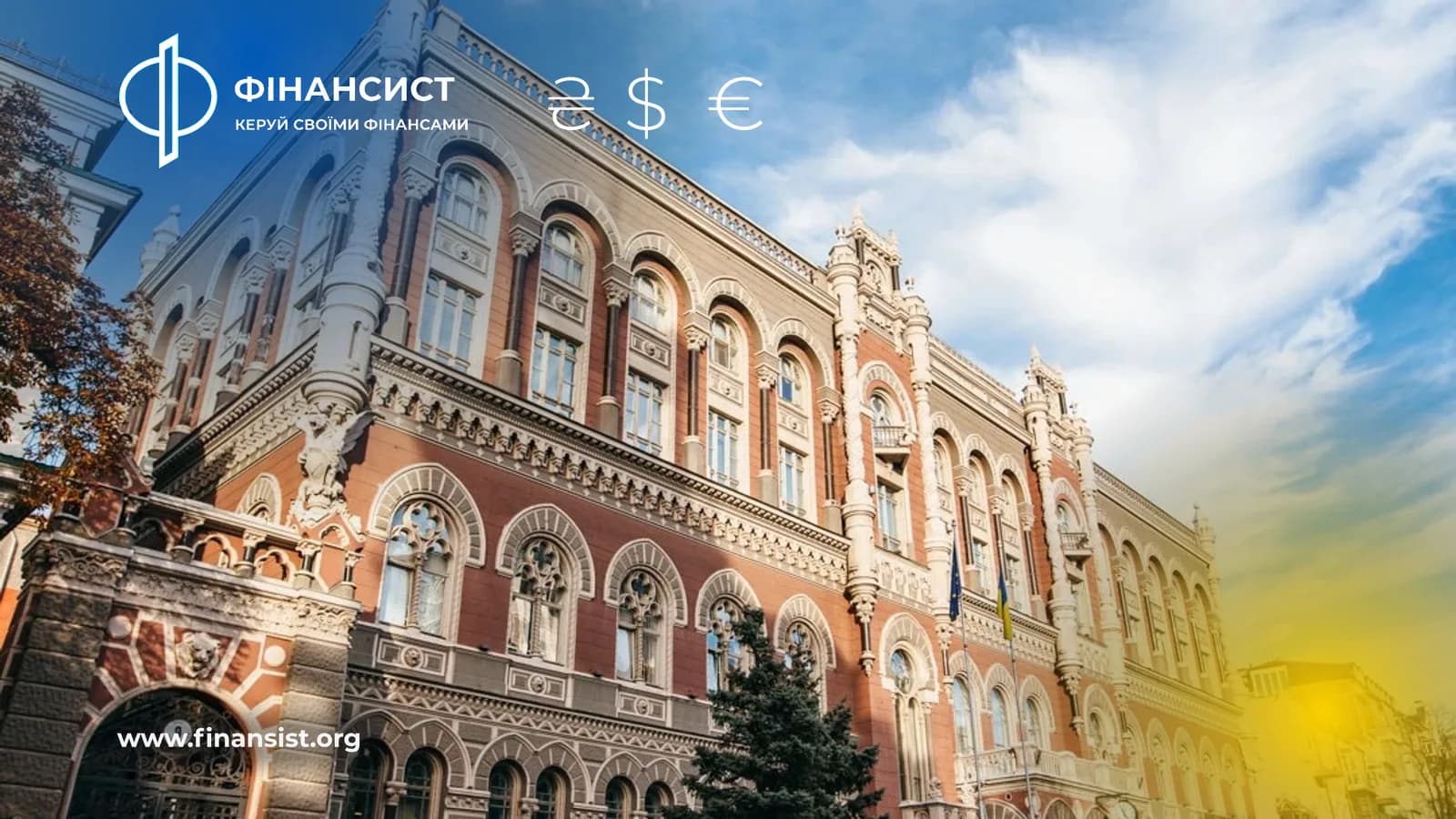
The official rate of the National Bank of Ukraine and the commercial rate: what is the difference and where does the number work
The NBU exchange rate on the bank's website is not the figure at which you will buy currency at the cash desk. We explain where the official exchange rate comes from, why banks calculate differently, and when the NBU figure still matters.
Savings account versus deposit: what to choose for an airbag
Where to keep money for force majeure: in a savings account with free access or in a deposit with a higher rate. We analyze the difference and typical errors.
Microloans online: risks, real rate and alternatives
A payday microloan seems like a quick rescue, but the real value of money there is often higher than it appears from advertising. We figure out how to calculate it and what to take instead.
Credit card or cash loan: which is cheaper in the end
A card with a grace period and a cash loan calculate the overpayment differently. We show by examples when a card is cheaper, and when - a regular loan with a schedule.
Credit history in Ukraine: where to check and how to correct errors
We explain who keeps the credit history of Ukrainians, how to check your rating for free and what to do if there is an error in the bureau's report.
The card was blocked due to financial monitoring: what to do and how to unblock it
Has the bank frozen the account and is asking for documents? We explain why this happens, what papers to prepare and how long to wait for unlocking.

Card for traveling abroad: which currency to keep and how to avoid commissions
We analyze whether it is worth opening a foreign currency account before the trip, how banks make money on the conversion of checks and which card really saves money abroad.
How not to run into fraudsters at the exchange point: practical signs
The exchange rate is "even better", bills flashing in the hands, and the commission, which is mentioned at the last second - we analyze the typical schemes of fraud in exchangers and how to spot them in advance.
Cash dollar or cashless: the difference in the rate and when it matters
The rate at the ATM, on the card and in the cash rate of PrivatBank or monobank is almost always different. We explain where the spread comes from and when to exchange cash and when to pay by card.
The deposit line of Ukrainian banks: what to look at besides the rate
Two deposits with the same rate can bring different money to hands. We explain which deposit conditions are more important than the number in the bank's advertisement.

Why exchange rates differ between cities: what really affects the price
The same dollar in two exchangers a quarter apart can cost differently. We explain what makes this difference and when it is worth looking for a better course, and when not.
Financial safety cushion: how much money to save and where to keep it
How many monthly expenses should be kept in reserve, in which currency to keep savings and why a deposit is better than cash under the pillow. Step by step calculation.

Where is it more profitable to exchange currency in 2026: a bank, exchanger or online service
We compare rates and commissions of banks, cash exchangers and online services so that you do not lose hryvnias on ordinary currency conversion.

Deposit in hryvnia or foreign currency: which is more profitable in 2026
Hryvnia deposits give a higher rate, foreign currency deposits protect savings from devaluation. We analyze when which option is really more profitable and how to distribute money between them.
Cashback Debit Cards 2026: Which is Really Good and Which is Marketing
Cashback in card ads and cashback in your wallet are often two different numbers. We explain the conditions under which banks earn more than they return.
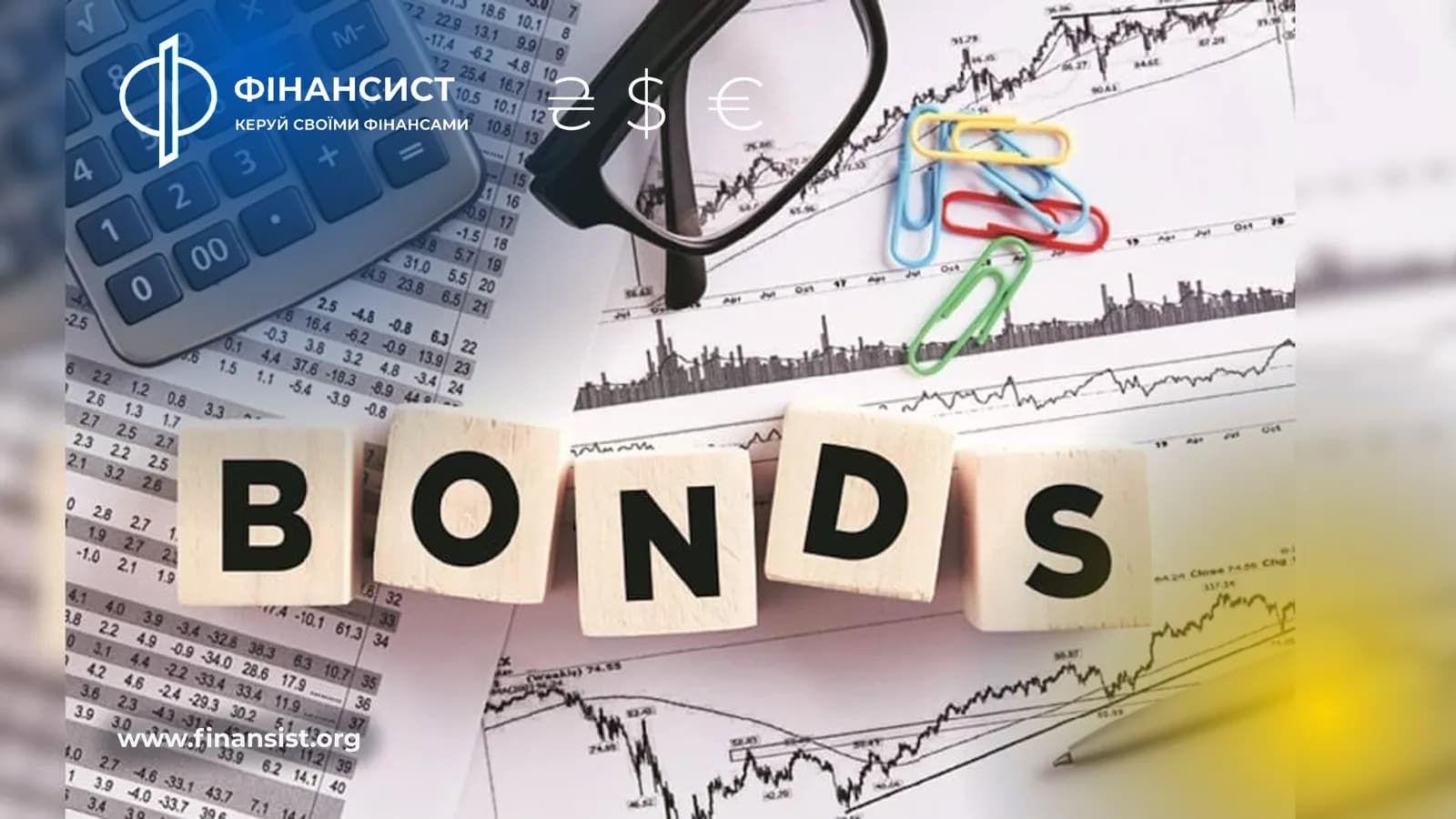
OVDP for individuals: how to buy, what is the yield and whether it is possible to lose money
Government bonds can be bought via smartphone in 15 minutes. We explain how to do it, how hryvnia government bonds differ from foreign currency bonds and where the real risk is.
The NBU determined the rules for issuing currency for foreign business trips: what limits and fines threaten business
Ukrainian enterprises, FOPs and representative offices of foreign companies can provide employees with cash foreign currency for business trips abroad. At the same time, such operations must comply with the currency rules of the National Bank, and violation of the procedure can cost a business up to half of the transaction amount.
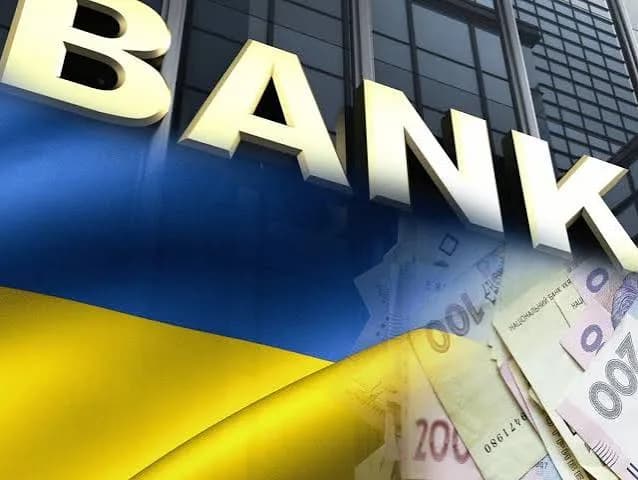
The NBU warned about the risks of a 50% bank profit tax: lending may slow down
The National Bank of Ukraine opposed the repeated extension of the increased bank profit tax rate in 2027. According to the regulator's assessment, the additional withdrawal of income may weaken the ability of financial institutions to raise capital, restrain business lending and reduce the investment attractiveness of the banking sector.