Taking coins out of Ukraine: cash, gold and collectors’ coins

Currency marketBy: Валерій ЧупринаNovember 11, 20264 min read
Taking coins out of Ukraine: cash, gold and collectors’ coins

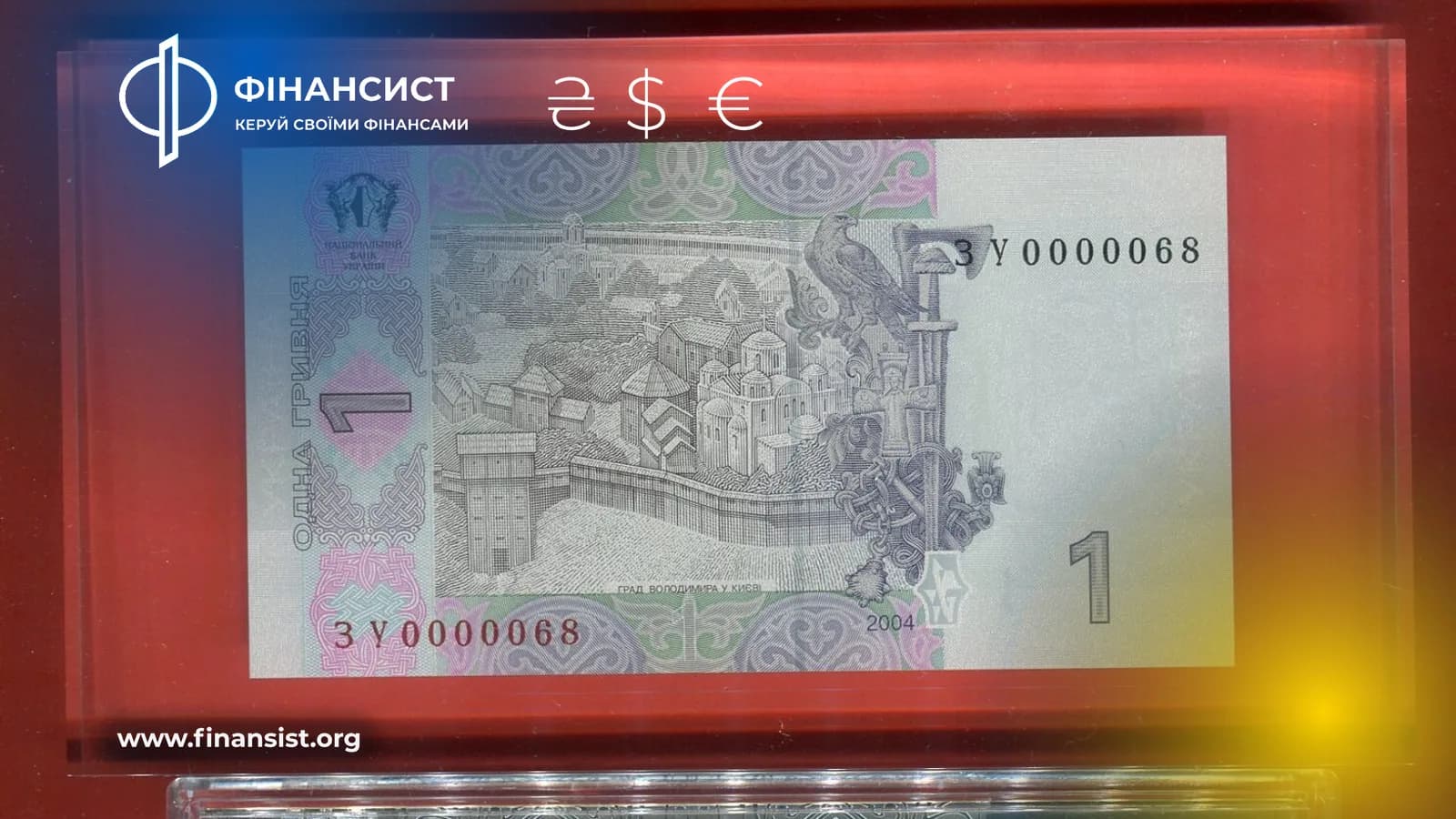
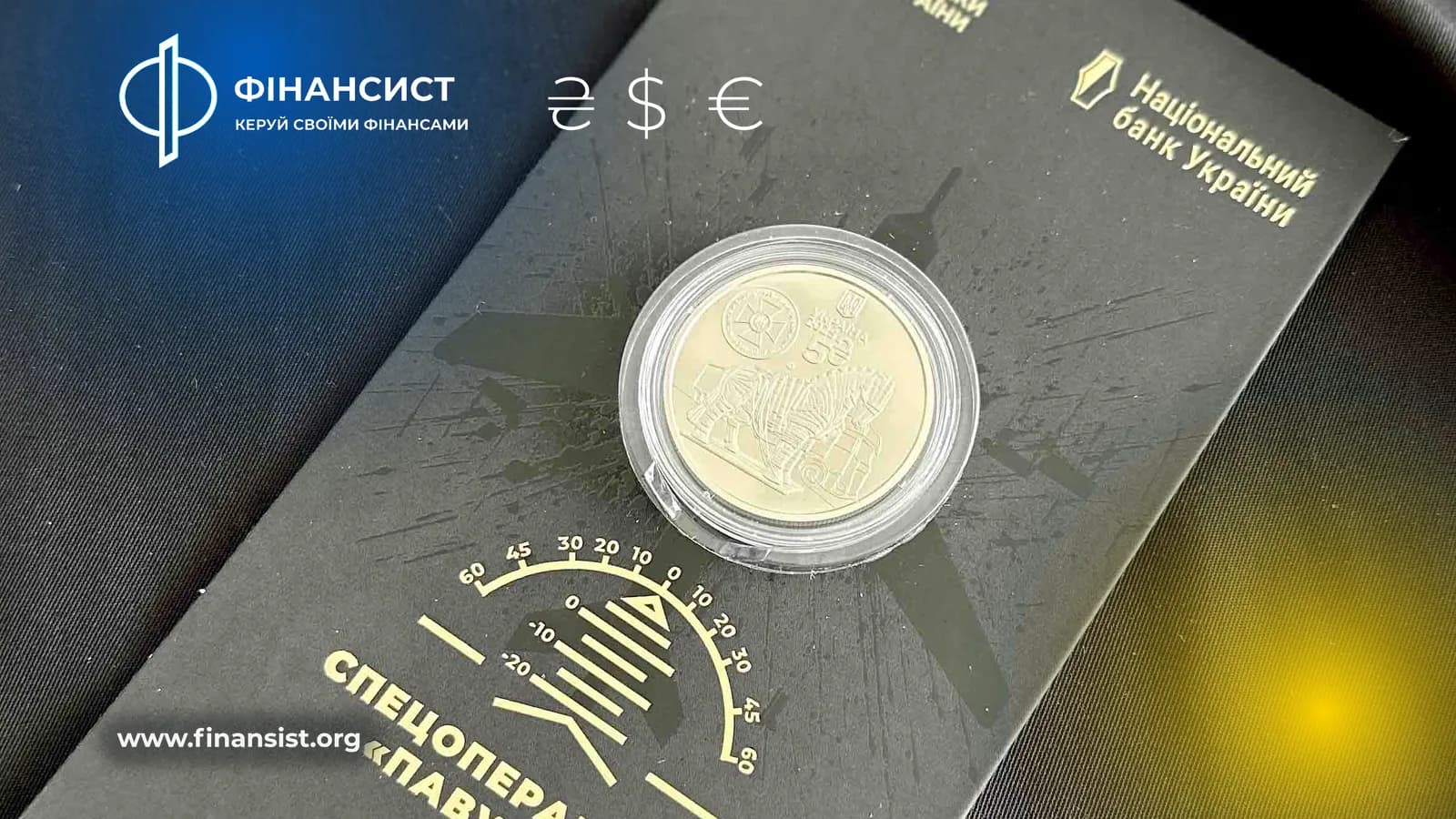
Taking coins out of Ukraine is not governed by a single allowance expressed as a number of pieces. First establish whether you are carrying circulating money, precious-metal coins or collectors' items. Currency controls and cultural-property requirements may both apply to the same journey.

Prepared on 11 November 2026 using official Ukrainian customs and European Commission guidance. This article concerns coins carried personally across the border, not commercial exports or postal shipments.

Why the old 500-gram rule is not a travel checklist

A 2013 article from the Kirovohrad regional administration referred to a 500-gram banking-metals threshold and an individual National Bank of Ukraine licence above it. That historical explanation cited a 2008 regulation. The current customs explanation instead describes currency requirements using a euro-value threshold. Do not plan a journey using the old weight figure.

Circulating coins: consider all the money you carry

Coins that constitute money should be considered together with other cash. The currency-declaration threshold concerns the total currency valuables carried, not just a separate coin purse. Below EUR 10,000 equivalent, a written currency declaration is not required; at EUR 10,000 or more, the full amount must be declared. Equality with the threshold matters.

Hryvnias, foreign currencies and banking metals are converted to euros using official NBU rates on the date of crossing. Our NBU exchange-rate page can help with preparation, but the relevant rates are those for the crossing date. A currency declaration does not replace cultural-property documentation.

Gold and silver coins: prepare the supporting paperwork

Do not value a precious-metal coin simply by the denomination stamped on it. Ask customs about its classification and the applicable valuation method before calculating your total. Face value, a collector's asking price and banking-metal value can differ substantially.

For a resident individual exporting banking metals worth more than EUR 10,000 equivalent, customs identifies supporting documents for purchases from a bank and/or the NBU covering the amount above the threshold. Keep receipts and documents that identify the coins purchased. An advertisement screenshot or a seller's verbal estimate is not a substitute for required proof. See the official traveller guidance.

Residents carrying cash above the threshold face separate requirements concerning withdrawals from their own accounts. The 90-calendar-day period mentioned by customs relates to cash-withdrawal documents. It should not automatically be applied to every document concerning coins.


Historic and collectors' coins: a separate assessment

A low purchase price does not establish that an object lacks cultural significance. For historic coins, archaeological finds or a numismatic collection, establish in advance whether an expert assessment and an export certificate are needed. A currency declaration cannot replace that authorisation.

Zakarpattia Customs recommends obtaining either an expert conclusion that the items are not cultural property or the appropriate export certificate before travelling. Its guidance on cultural property taken abroad for disposal describes a certificate and written declaration up to EUR 10,000 inclusive, and the export customs procedure above that value.

Customs guidance on cultural property also lists domestic and foreign coins and paper money made after 1960 among items not requiring the relevant certificate. This is not an exemption from every other customs requirement. For a collection containing both old and modern pieces, prepare an inventory of the whole collection rather than relying on its newest coin.

Entering the EU is a separate procedure

Completing Ukrainian formalities does not replace the destination country's requirements. Under European Commission rules, cash and specified equivalent assets totalling EUR 10,000 or more must be declared when entering or leaving the EU. The definition includes gold coins containing at least 90% gold. Gold bars, nuggets and clumps have a different stated purity threshold of at least 99.5%.

A single valuable gold coin can therefore matter more for declaration purposes than a bag of small change. Do not automatically apply this gold-specific definition to silver coins. Destination-country rules on goods, taxes and cultural property must be checked separately.

A checklist before departure

  • Record each coin's name, year, metal, quantity and purchase documents.
  • Check currency requirements separately from cultural-property status.
  • Recalculate all currency valuables using rates for the crossing date.
  • Prepare any required evidence of cash withdrawals or banking-metal purchases.
  • Consult customs and an authorised expert institution in advance for uncertain collectors' items.
  • Check the destination country's rules and each external customs border on your route.

Neither “10 coins” nor “500 grams” is a universal permitted allowance. The practical answer depends on the coins' type, status, value and the journey concerned.

Your reaction:
#монети#митниця#НБУ