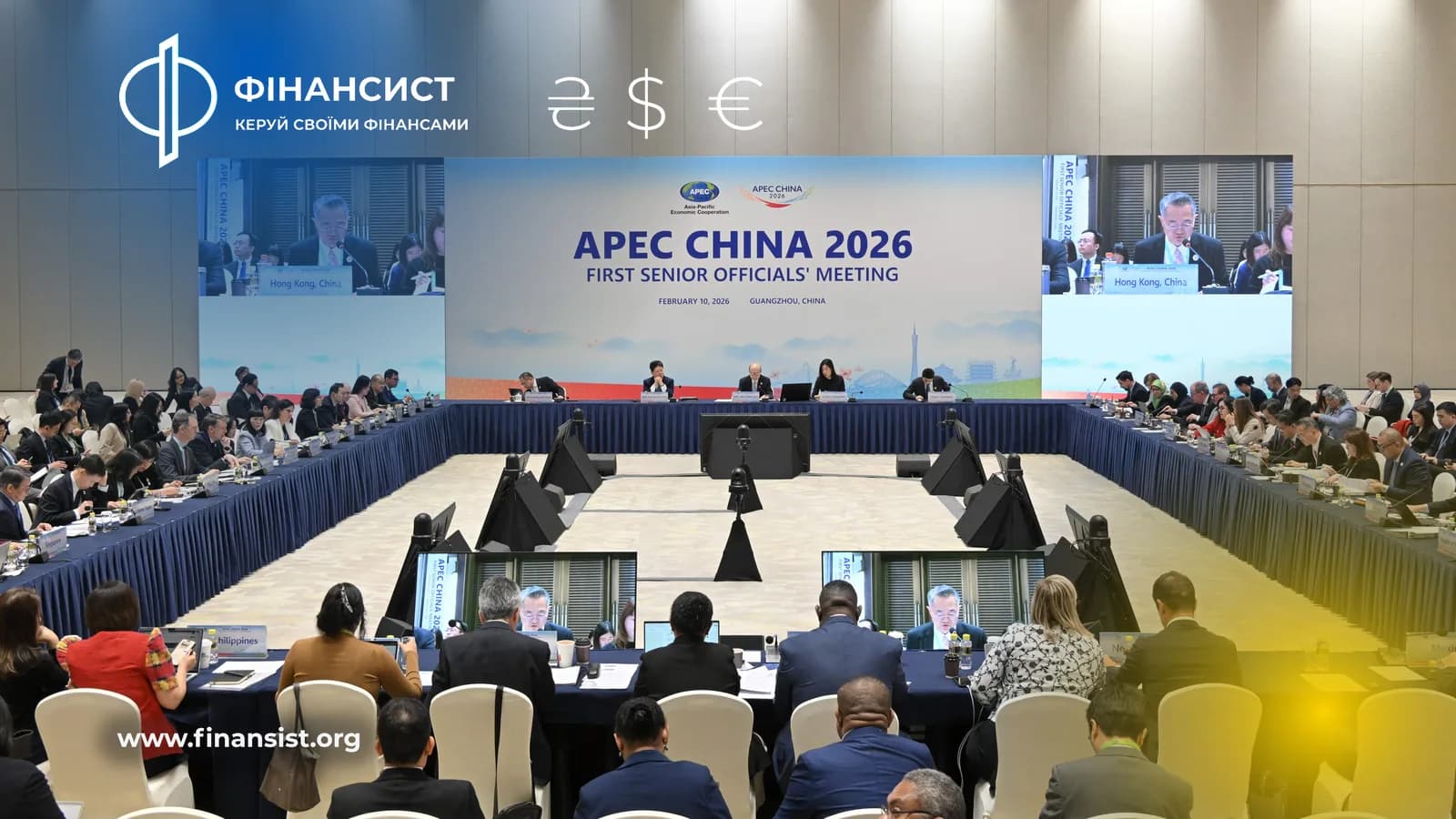
Chinese President Xi Jinping opened a key meeting of the Asia-Pacific Economic Cooperation (APEC) in Shenzhen on Wednesday with a call to remove trade and investment barriers. According to him, this is necessary to promote balanced development. This week, Xi is expected to host US President Donald Trump and the leader of Russia's aggressor country, Vladimir Putin, amid a summit of APEC business and economic leaders.
The Chinese leader did not mention American tariffs or other specific measures. Instead, he presented China as a "promising land for development" for global business and announced cooperation within the framework of the "Gulf". Shenzhen, home to major Chinese technology companies, is part of the Greater Bay Area, which also includes Hong Kong and Macau.
"China will not only lower tariffs and expand market access, but also go further," Xi said. He said the country would "reform" rules and regulations to give foreign companies "full access to production."
Context: overproduction and trade arrangements
The share of Chinese exports in the world production of goods is steadily increasing, and this is causing criticism from the European Union and other regions due to excess capacity. Last year, the US and China agreed to keep tariffs at a lower level, but the planned reduction of $30 billion in tariffs on goods from each side has not yet been implemented.
Xi acknowledged that global growth lacks momentum, but stressed that despite obstacles, world trade continues to grow, and breakthroughs in new technologies are happening faster and faster. He called the choice - to open or close doors one of the difficult issues of our time for the economies of the Asia-Pacific region, and connected openness with progress. "There can be no stability without security and security without stability," he added.
Separately, the Chinese leader called on the APEC countries to deepen coordination in the digital economy and artificial intelligence as drivers of regional growth. According to him, many "unicorn" companies and large AI models have appeared, and innovations are already helping hundreds of industries and millions of households.