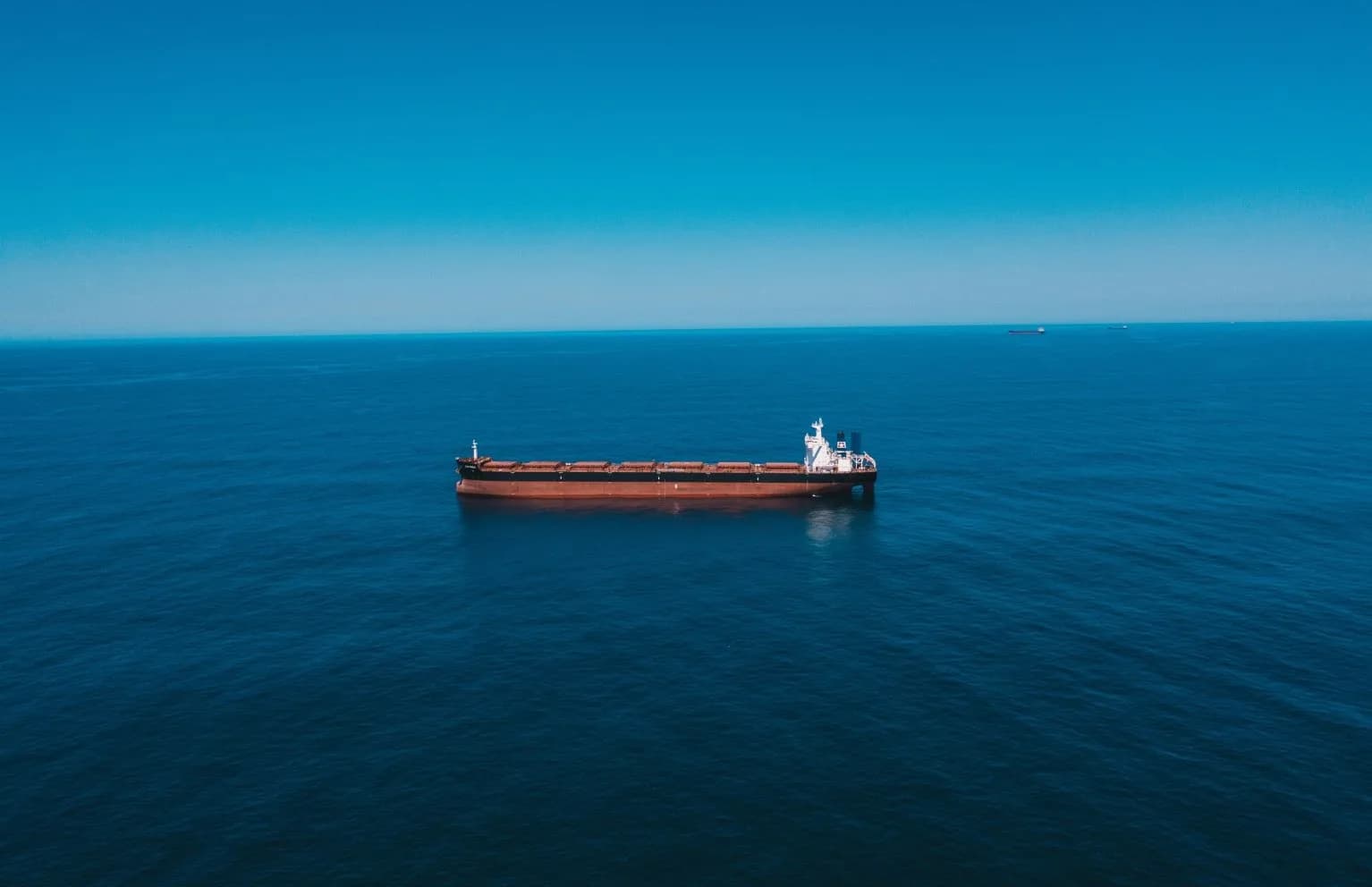
Sea exports of Russian oil reached the highest level during the years of the full-scale war
In 2026, Russia significantly increased its marine exports of crude oil. YTD supplies averaged 3.65 million barrels per day — the highest annual average since 2022, when the Russian Federation launched a full-scale invasion of Ukraine.
In the four weeks to November 22, sea shipments of Russian oil increased to 3.92 million barrels per day. The increase in supplies from Russia and the Persian Gulf countries comes amid an expected expansion in global supply, which could create a surplus of oil on the market next year.
Attacks on Russian refineries force companies to increase exports of raw materials
One of the main reasons for the increase in sea supplies was the regular attacks on Russian oil refineries. Due to damage and shutdowns of production facilities, oil companies are forced to redirect part of the raw materials to foreign markets instead of processing them domestically.
Since the beginning of November, 15 Russian refineries with a total capacity of more than 3.6 million barrels per day have come under attack. This is more than half of Russia's oil refining capacity. Subsequently, two more factories were affected, including the Perm Refinery of the Lukoil company, located approximately 1,500 km from the Ukrainian border.
Thus, damage to the oil refining infrastructure creates an additional incentive for the export of crude oil.
Weekly shipments remain high despite reduced shipments
A week before November 22, Russian oil was loaded onto 35 tankers. The total volume was 26.17 million barrels, or an average of 3.74 million barrels per day.
This figure was about 700,000 barrels per day lower than the revised figure for the previous week, when 40 vessels transported 31 million barrels.
However, even with such a reduction, the current volume of marine exports remains significant and supports the high level of supply in the global oil market.
Russia's oil revenues are shrinking due to falling prices
Despite the increase in physical export volumes, Russia's income from sea oil deliveries shows negative dynamics.
The four-week average gross value of exports fell to $2.27 billion a week, the lowest level in two months. Over the past week, the figure fell to $1.94 billion, an 11-week low.
The decrease in income was influenced by the decrease in the price of Russian grades of oil. Urals fell by about $8 per barrel, and ESPO by $5.
Additional pressure on prices creates an increase in world supply. Analysts at Goldman Sachs, JPMorgan Chase and Sanford C. Bernstein expect the market to remain affected by the oil glut. At the same time, Brent quotes have already fallen by almost a quarter from the peak level at the end of October.
China and India remain the main buyers of Russian oil
Asia continues to be the main export destination for Russian raw materials. In the 28 days to November 22, about 3.79 million barrels per day were headed there, including tankers that had intermediate destinations in Suez or Singapore.
China and India in 2026 provided more than 80% of Russian oil exports, which confirms Moscow's dependence on Asian demand.
Supplies to the Mediterranean region remained much smaller — about 130,000 barrels per day. Of these, approximately 80,000 barrels went to Egypt, and 50,000 to Turkey. Exports to Syria stopped in August after its agreements with the United States.
Russia is changing export routes to protect its own supplies
Moscow is also restructuring the logistics of oil exports. Since the beginning of September, all transit exports of Kazakh KEBCO oil have been redirected to the Black Sea port of Novorossiysk.
This freed up additional capacity for Russian oil in the Baltic port of Ust-Luga, which Moscow considers less vulnerable to Ukrainian strikes.
Such changes indicate that Russia is trying to adapt its export infrastructure to war risks and maintain supply stability even under conditions of attacks on energy facilities.
OPEC+ will discuss production quotas for 2027
Against the background of the increase in world supply and the fall in oil prices, the decisions of the OPEC+ countries are of particular importance.
On Sunday, ministers of the organization, including Russia and Saudi Arabia, are to discuss the starting production quotas for 2027.
If production volumes remain high and Russia's seaborne exports continue to grow, the global market may face a deepening surplus. This will put additional pressure on oil prices and at the same time limit the income of Russian exporters.
Conclusion
Attacks on Russian refineries not only reduce the possibilities of oil processing, but also change the structure of Russian exports. Russia is increasing sales of raw materials, but falling prices and the risk of a surplus on St
the IT market may reduce the financial benefit from record deliveries.