Greece is preparing a pilot multimodal route for the export of Ukrainian grain to world markets. Its central link should be the port of Alexandroupolis. A trial batch can be delivered to the port by rail.
The project envisages a two-way freight corridor between Greece and Ukraine. In addition to Alexandroupolis, Athens is counting on the port of Thessaloniki and the powerful potential of Greek shipping. Greece also seeks to gain a prominent place in the trans-European transport corridors connecting Northern and Eastern Europe with the Aegean and Mediterranean seas, and hopes to join the post-war reconstruction of Ukraine.
Why are they looking for new routes?
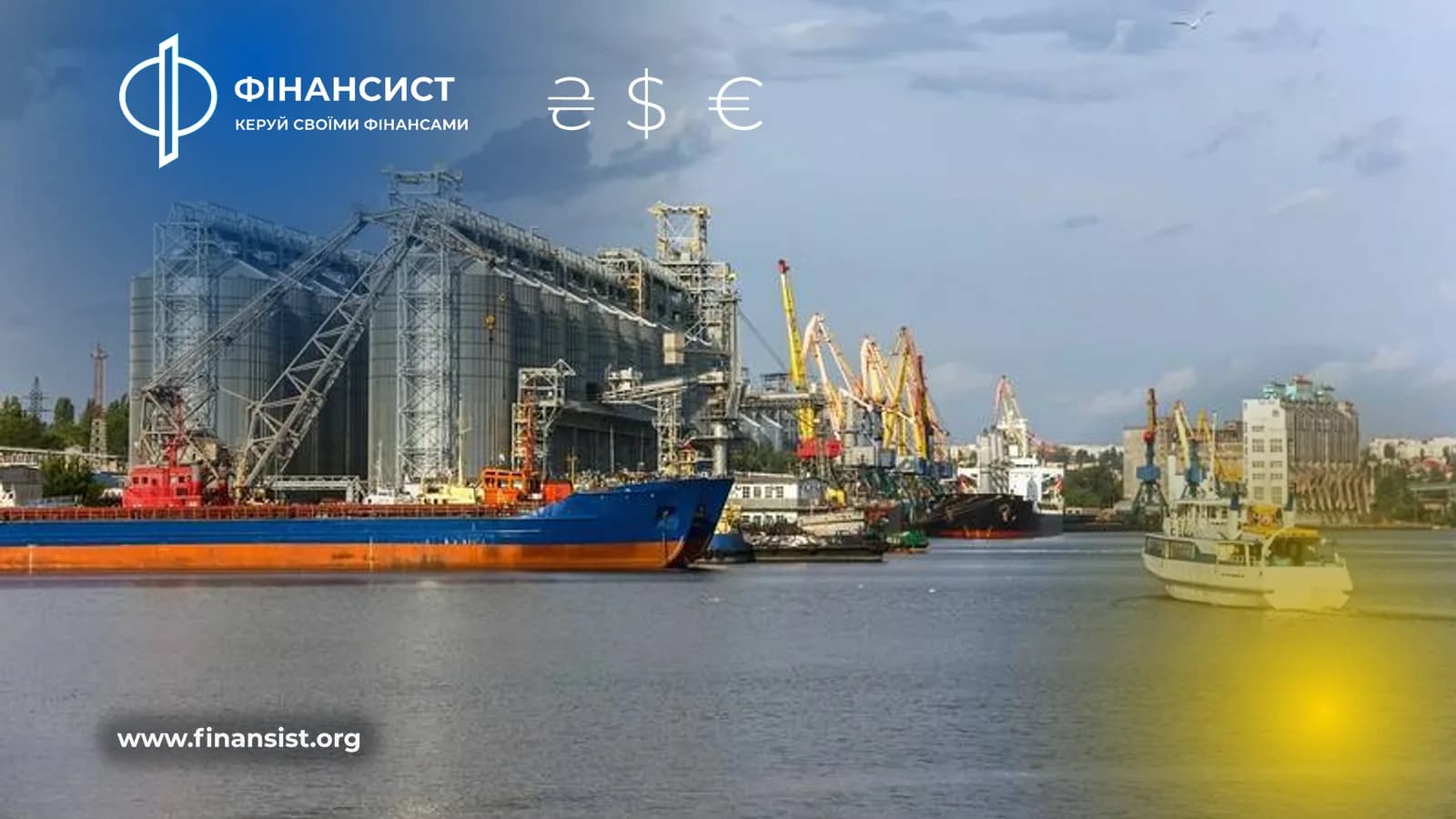
The export of grain is complicated by systematic Russian attacks on Ukrainian Black Sea ports. The drought creates additional problems: the water level in the Danube has fallen, and it has become more difficult to export large batches of grain. That is why the railway option looks attractive.
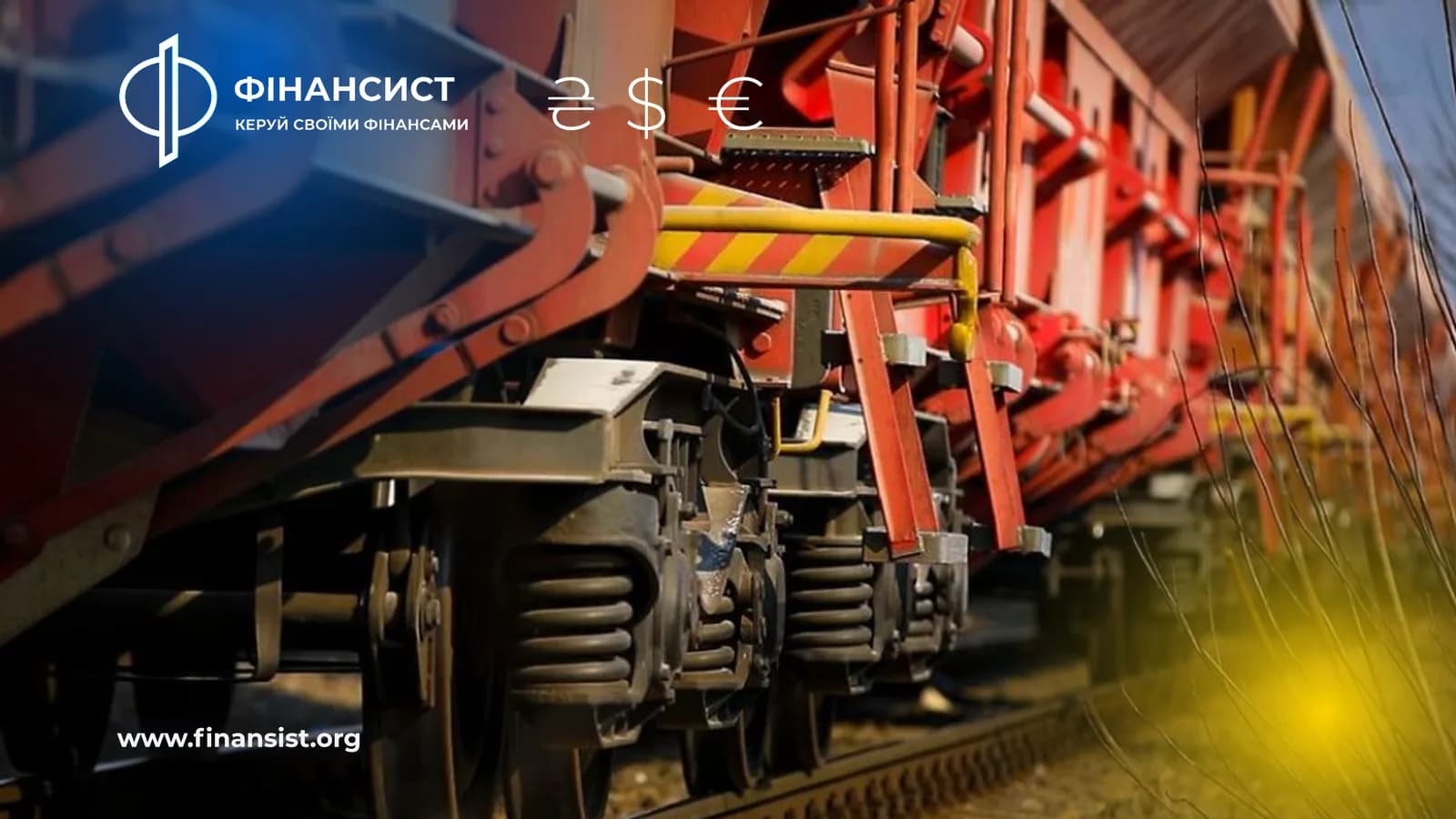
The trial batch can be transported with the participation of Hellenic Train and GFR Hellas companies. Officials of both countries explained: for the route to be profitable, cargo is needed in both directions. The railway should pass two or three freight trains a day from south to north. The closure of the bridge across the Danube between Bulgaria's Ruse and Romania's Giurgiu, planned from April to December 2027, may complicate transportation.
Road transport is more expensive, but there is already a basis for it: the current rules allow Greek and Ukrainian carriers to perform two-way flights without transit permits. At the same time, only Greek companies can carry out internal transportation within Greece.
In June 2025, Greek Prime Minister Kyriakos Mitsotakis proposed to connect Alexandroupolis with Odesa via Bulgarian Varna and Romanian Constanta.