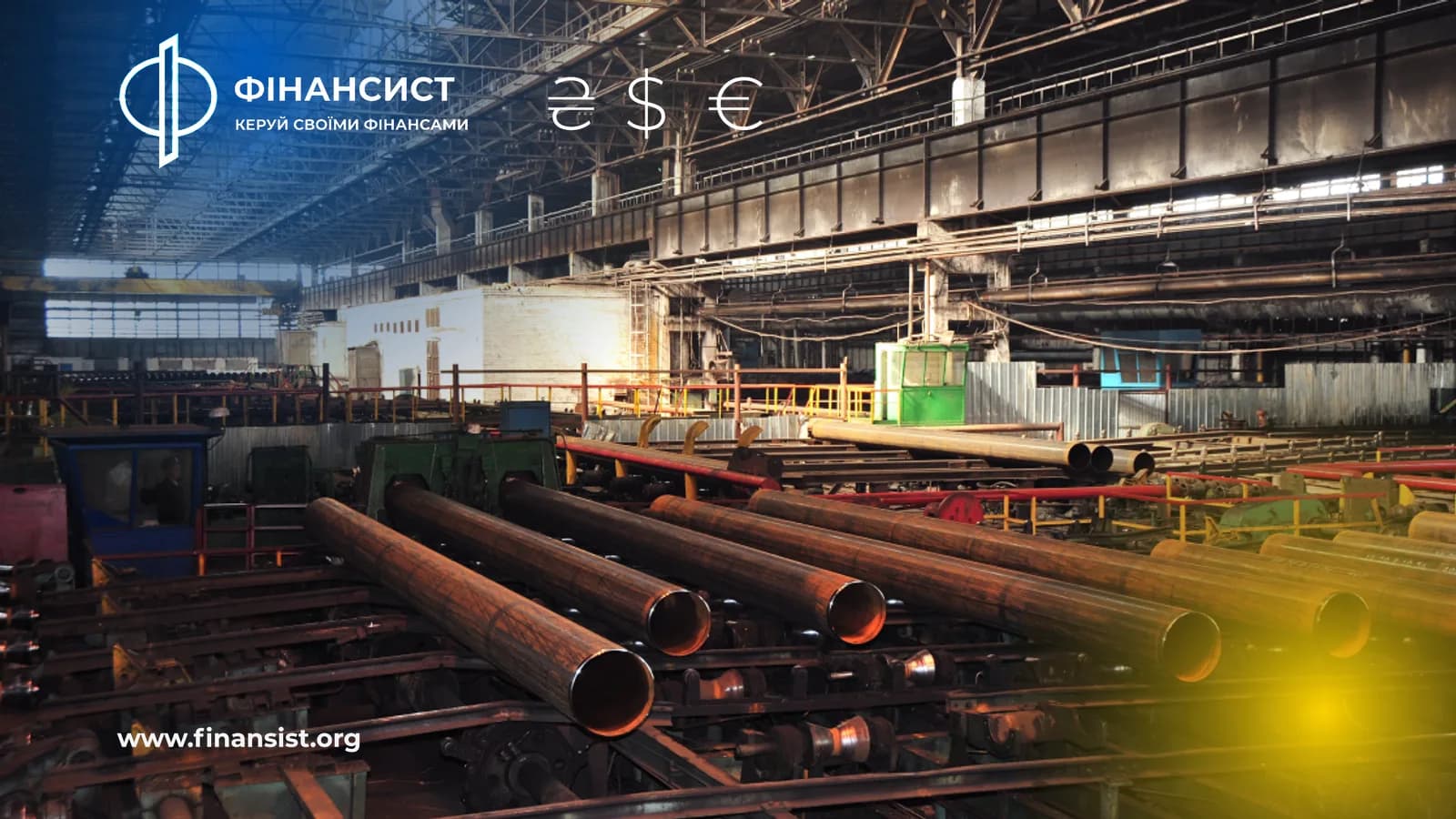
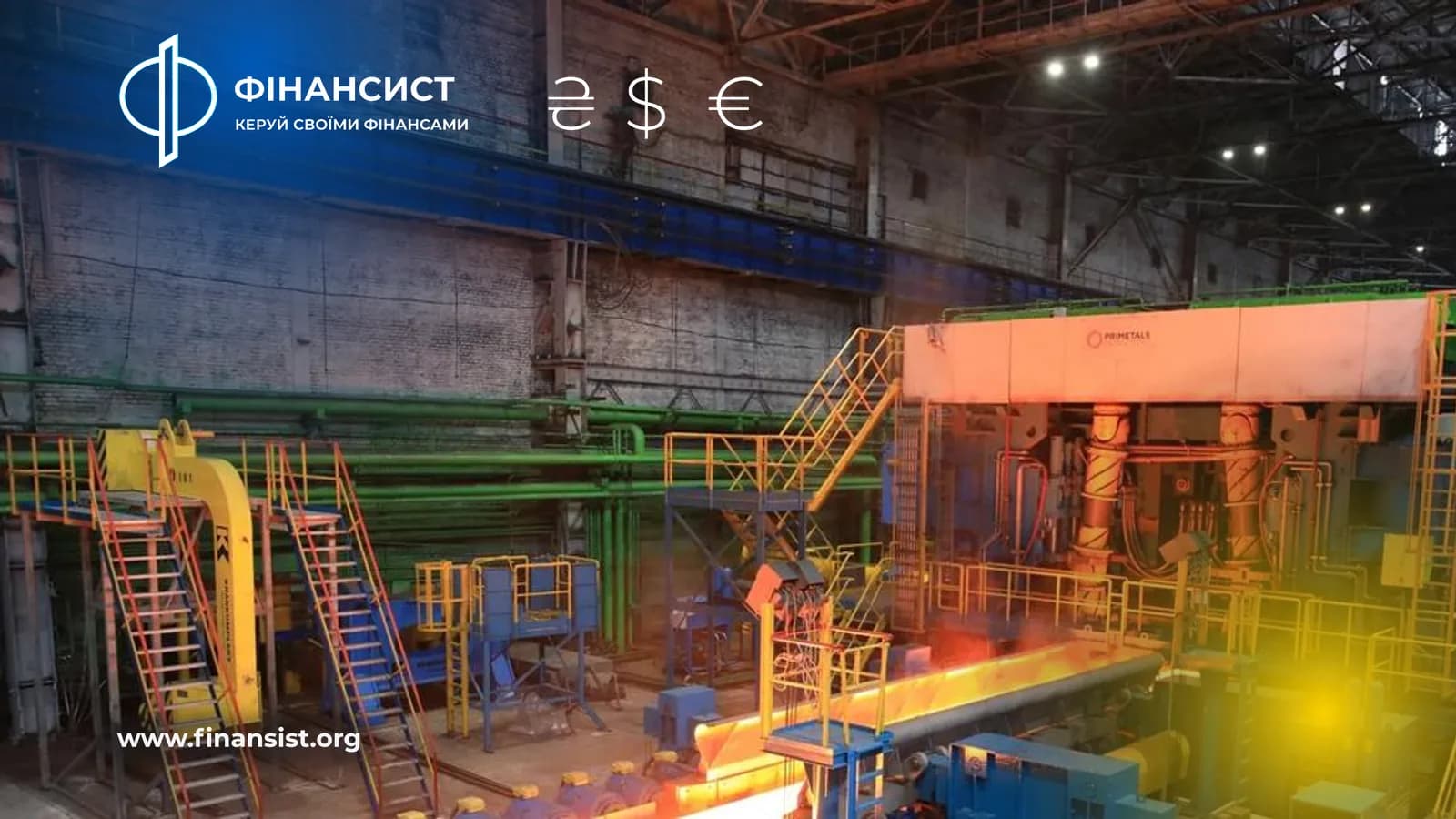
Ukrainian manufacturers of welded pipes risk not waiting for protection against cheap imports. Angela Makhinova, a partner of the Sayenko Kharenko law firm, emphasized this. According to her, the main problem is too slow trade protection procedures.
On October 15, 2025, the producers filed a complaint against the import of welded pipes from Turkey. The investigation began only on January 29, 2026, although the legislation provides for a much shorter period. All this time, imports grew: in 2021-2025, their volumes increased by 3-5 times, depending on the year. The share of Turkish products in the total import of such pipes to Ukraine exceeded 80%.
What has already been done and what is missing
In April 2026, producers requested the introduction of preliminary anti-dumping measures, but this did not happen. At the end of October, the Ministry of Economy and Environment completed the necessary procedures and confirmed that there are grounds for a duty at the level of 38.3%. The issue was supposed to be considered by the Interdepartmental Commission on International Trade, but no decision was made at the meeting on November 3.
Makhinova explains: if you delay further, the measures may be introduced too late. "It may happen that, when the appropriate decision is made, there will be no one to protect," she said. According to her, domestic enterprises are already forced to sell products at a loss, which threatens jobs and tax revenues.
Why is this important?
The lawyer reminds that protectionism in metallurgy is increasing in the world: the USA, the EU, Canada and other countries actively apply tariffs, quotas and anti-dumping tools. In her opinion, Ukraine should act just as quickly: make decisions in a short period of time and apply preliminary measures when there are grounds for this.
Separately, she drew attention to Turkey's trade relations with the aggressor country: Turkey buys Russian slabs that can be used to make pipes. Earlier, the Federation of Metallurgists also stated that part of the price advantage of Turkish imports is formed thanks to cheap Russian raw materials.