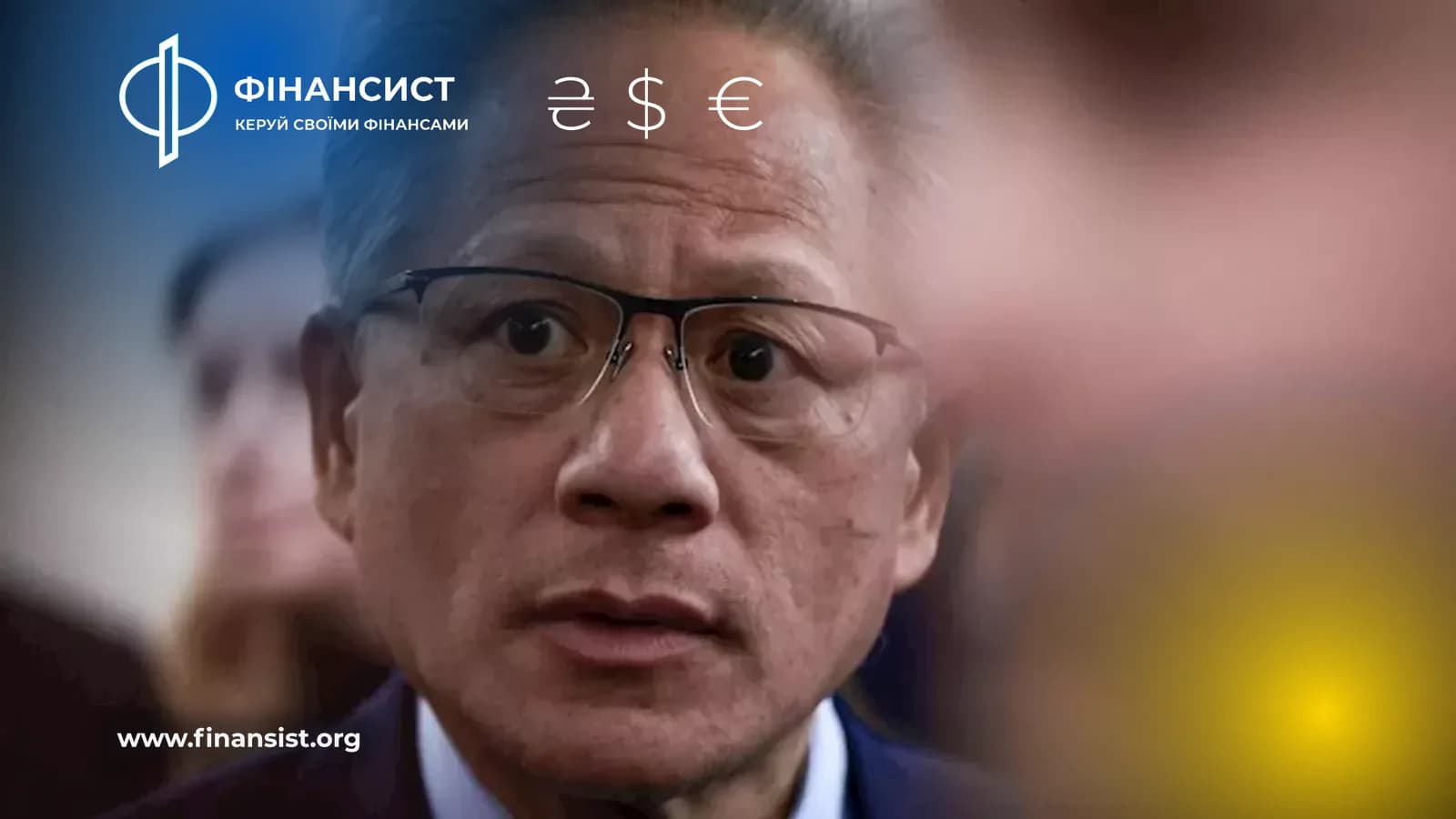
Tech giant Nvidia has lost its founder and longtime CEO Jensen Huang, who led the company since 1993. The resignation was the result of a scandal: According to data released this week, Huang had two extramarital affairs - with a company employee and with a woman who US intelligence believes is a Chinese spy. After the news of his departure, Nvidia shares immediately fell by more than 13 percent, although they later recovered some of the losses. The CEO's duties were temporarily taken over by the company's financial director, Colette Kress - the official successor to the position of head of Nvidia has not yet been determined.
The company with a capitalization of $4.2 trillion is called the "central bank" of the construction of artificial intelligence, and Huang himself is the main face of the entire AI chip industry. It is his authority that allowed Nvidia to conclude preliminary memorandums of cooperation with the largest investment companies of Wall Street as part of a plan to attract $500 billion in financing for the development of artificial intelligence infrastructure - data centers and chip factories.
Who finances the construction of AI infrastructure
Previous agreements involve:
- Apollo Global Management
- BlackRock
- Blackstone
- Brookfield
- Goldman Sachs
- KKR
These are special financial mechanisms in which Nvidia chips are used as collateral - by analogy with the securitization of real estate or toll roads. Agreements are still preliminary and subject to final agreement. BlackRock and Goldman Sachs declined to comment on Huang's resignation, while other participants in the process did not respond to requests for comment.
Analysts warn that the change in management gives each of these financial companies a reason to review the terms of the deals. Global head of private equity at Raymond James, Sunaina Sinha Haldea, believes that Nvidia's new management should focus for several months on agreeing on final agreements, without changing their terms, in order to prove to investors that the company's business model is unchanged even without Huang. Capital is unlikely to leave deals entirely, she said, but lenders may demand higher fees because of the growing uncertainty.
Saxo Chief Investment Strategist Charu Chanana notes that Huang's successor will have to convince lenders that the company's technology strategy, customer relationships and vision remain unchanged. According to her, the change in management itself will not destroy Nvidia's financial partnerships, but it may make Wall Street more cautious and slow down the adoption of new commitments. The main risk is a possible domino effect on the entire AI financing market, where fears are already growing due to excessive corporate debt and opaque cross-financing schemes.

 EN