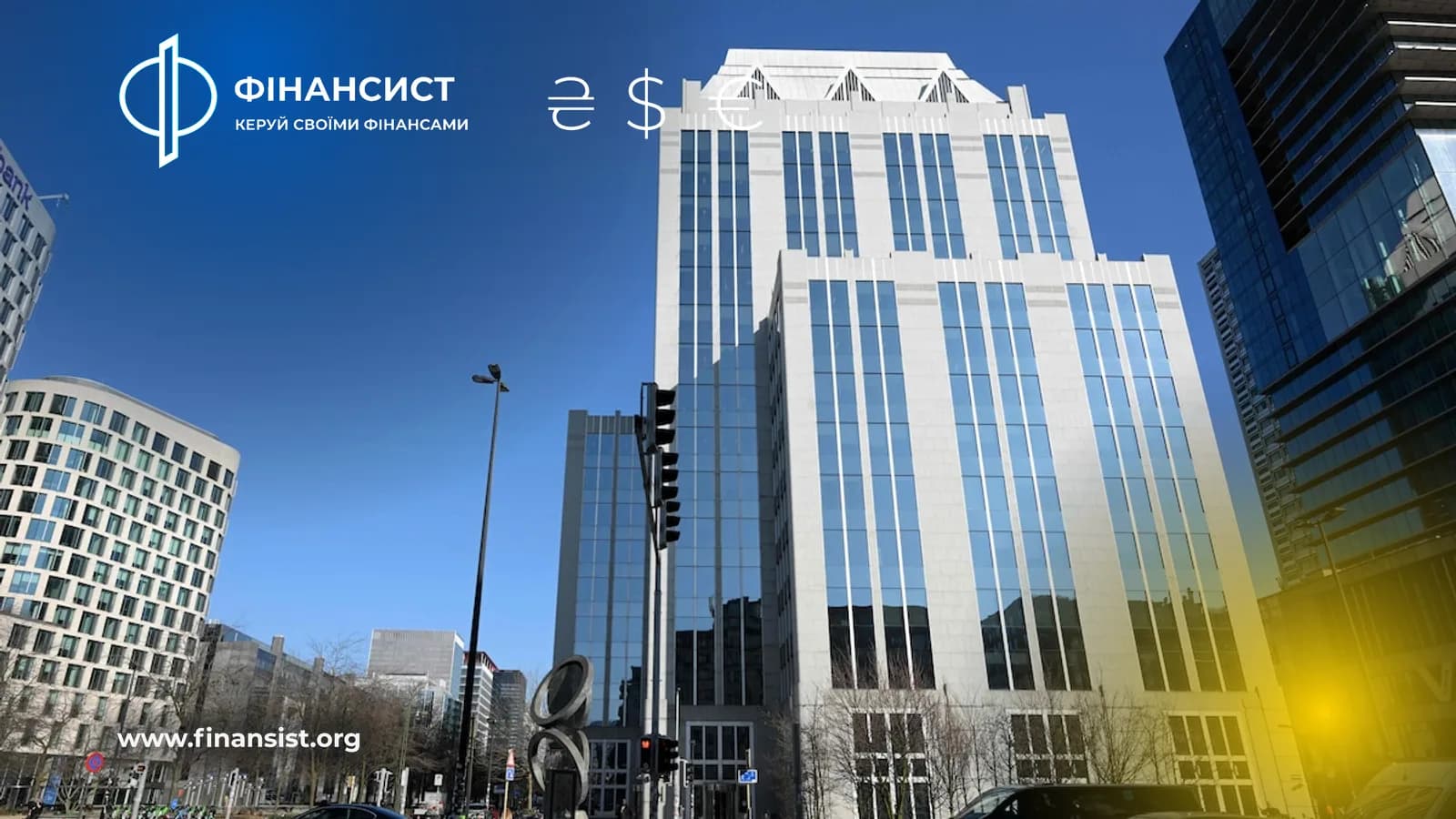
The Belgian depository Euroclear, which stores about 185 bln euro of the frozen assets of the Bank of Russia, warned that the company may be on the verge of bankruptcy if these funds are transferred to Ukraine, and the financial obligations for them remain with the depository itself.
Euroclear emphasized that any transfer of assets requires permanent guarantees from the EU countries - and they must act at least until the end of the war or until the moment when the obligation to return these funds is officially removed from the depository. The Russian central bank's frozen assets account for more than 80% of Euroclear's entire balance sheet, so for the company this is a matter of financial stability, not just a political dispute.
Why is it important for Ukraine?
Some EU countries are promoting the idea of using frozen Russian assets to finance Ukraine. Belgium, where Euroclear is registered, consistently opposes such a move. The depositary's caveat about possible collapse actually becomes another argument in this dispute.
At the same time, the EU is already sending part of the profit from the frozen assets to Ukraine - with the consent of the shareholders of Euroclear, these deductions took the form of interest income, the amount of which approached 8 billion euros. This shows that the very mechanism of using assets for the benefit of Ukraine is already working, although it is only about interest, and not about the principal amount of frozen funds.
Earlier, in June, Euroclear appealed to the Belgian court with a request to block the execution of the decision of the Russian court, which is trying to recover about 220 billion euros from the depository due to the freezing of the assets of the Russian Federation. The company also reported threats from the Bank of Russia to confiscate its assets outside the European Union.

 EN