
Cryptocurrency taxes in Ukraine in 2026: what is in effect now and what will change after the law

CryptoBy: ВладимирJuly 26, 20265 min read
Cryptocurrency taxes in Ukraine in 2026: what is in effect now and what will change after the law

Updated: July 20, 2026

The special law on virtual assets in Ukraine has not yet been adopted — draft law No. 10225-d passed only the first reading and is being prepared for the second. But this does not mean that there are no taxes on cryptocurrency: the income from the sale of crypto is already subject to the general rules of the Tax Code — 18% personal income tax plus 5% military duty, with the obligation to declare it yourself. We analyze what is in effect now, what will change after the adoption of the law and how not to create problems with the tax office.

What is the status of cryptocurrency law?

According to the official card of the draft law in the Verkhovna Rada, No. 10225-d was adopted as a basis in the first reading on September 3, 2025, and as of July 2026, the document is being prepared for the second reading — the final vote has not yet taken place, the law has not been signed and is not in force. That is, the market of virtual assets is still not formally regulated: buying, holding and selling crypto is not prohibited, but special "crypto-rules" of taxation do not yet exist - general rules apply.

What taxes are in force now, before the adoption of the law

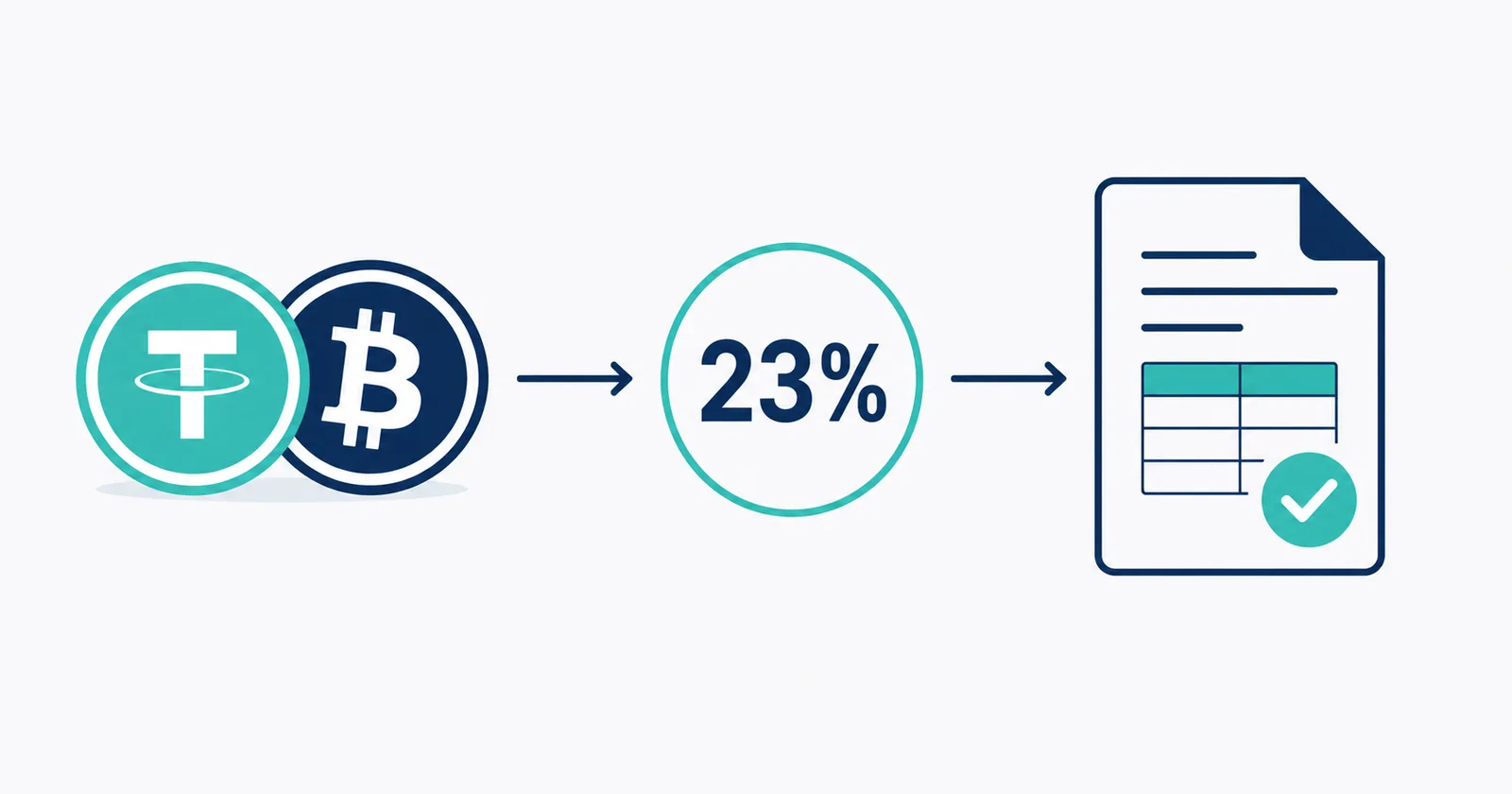
When you sell cryptocurrency for hryvnia and receive income, it is treated as ordinary personal income: 18% income tax plus 5% military levy, for a total of 23%. The responsibility to declare is yours: the income for the year is included in the annual tax return, which is submitted by May 1 of the following year, and the tax is paid by August 1. The main practical problem of the current regime is the uncertainty of the base: there is no direct rule that the profit (the difference between sale and purchase) is taxed for crypto, so without supporting documents, the tax office can consider the entire withdrawn amount as income. One conclusion: keep the history of transactions and documents about the purchase price - statements of exchanges, receipts of money changers (we explained exactly how to withdraw funds with minimal risks in the article on withdrawing crypto to a card).

What will change after the adoption of 10225-d

ParameterNow (general norms)After the adoption of 10225-d (project)
Tax baseNot formally defined for the crypt; the risk of taxation of the entire amountProfit: sale minus documented purchase costs
Rate18% personal income tax + 5% VAT18% personal income tax + 5% income tax
Grace periodReduced rate for assets declared in the first year of the law
Crypto to crypto exchangeGray areaNot taxable
Small incomesThere are no benefitsProvisional release of income within the minimum threshold
Market regulatorNot definedThe NBU or NKCPFR will decide before the second reading

An important caveat: everything in the right column is project norms, which may change before the final vote. The comparison is based on the wording prepared for the second reading, and we will update the article immediately after the law is passed.

How to declare crypto income: step by step

  1. Calculate the income for the year: all sales of crypto for hryvnia (withdrawals to the card, cash through the exchanger).
  2. Collect supporting documents: history of trades and withdrawals from the exchange, receipts of exchangers - everything that shows the price of purchase and sale.
  3. Fill out the annual declaration of assets and income in the tax payer's office, noting crypto income as part of other income.
  4. Submit the declaration by May 1 and pay the accrued 23% by August 1.
  5. Keep documents for at least three years - the standard horizon for tax audits.

A separate nuance for FOPs: the sale of cryptocurrency does not go through the simplified system — it is the income of a natural person, which is declared separately from business income, on general grounds.

What will happen if you do not declare

The risk is not abstract: banks transmit data on crypto withdrawals to financial monitoring, so the tax office sees the movement of funds on the cards. Consequences of non-declaration include additional tax on the entire amount of revealed income (excluding purchase costs), fine for non-declaration and interest. As the launch of the international exchange of financial information and the licensing of stock exchanges approaches, transparency will only increase, so the strategy "until there is no law, you are not guilty" is working increasingly worse: the obligation according to general norms already exists.

Frequently asked questions

Do I have to pay tax if I just hold crypto?

No. Possession of cryptocurrency, as well as the growth of its price without selling, does not create a tax. The moment of sale for hryvnia (fiat) is taxed — when the income is actually received.

Is the exchange of one crypto for another taxable?

According to the draft law 10225-d — no. In the current regime, this is a gray area, but in practice the tax authorities are interested in fiat withdrawals.

What is the cryptocurrency tax rate in 2026?

18% personal income tax + 5% military tax, together 23%. After the law is passed, the rate is the same, but will apply to the profit, not the entire amount, with a grace period of the first year.

Can a FPO sell crypto through a single tax?

No, crypto-income does not go through the simplified system — it is declared as income of a natural person on a general basis, separately from the FOP.

When will the cryptocurrency law come into effect?

There is no exact date: the draft law is being prepared for the second reading. After the adoption and signing of the norms, a transition period will still be needed. We will update this article immediately after the final vote.

The material is informative and does not constitute tax or legal advice. Consult a tax advisor before making any declaration decisions.

Your reaction:
#крипта#податки#закон
Taxes on cryptocurrency in Ukraine in 2026 | Financier