
 EN
EN
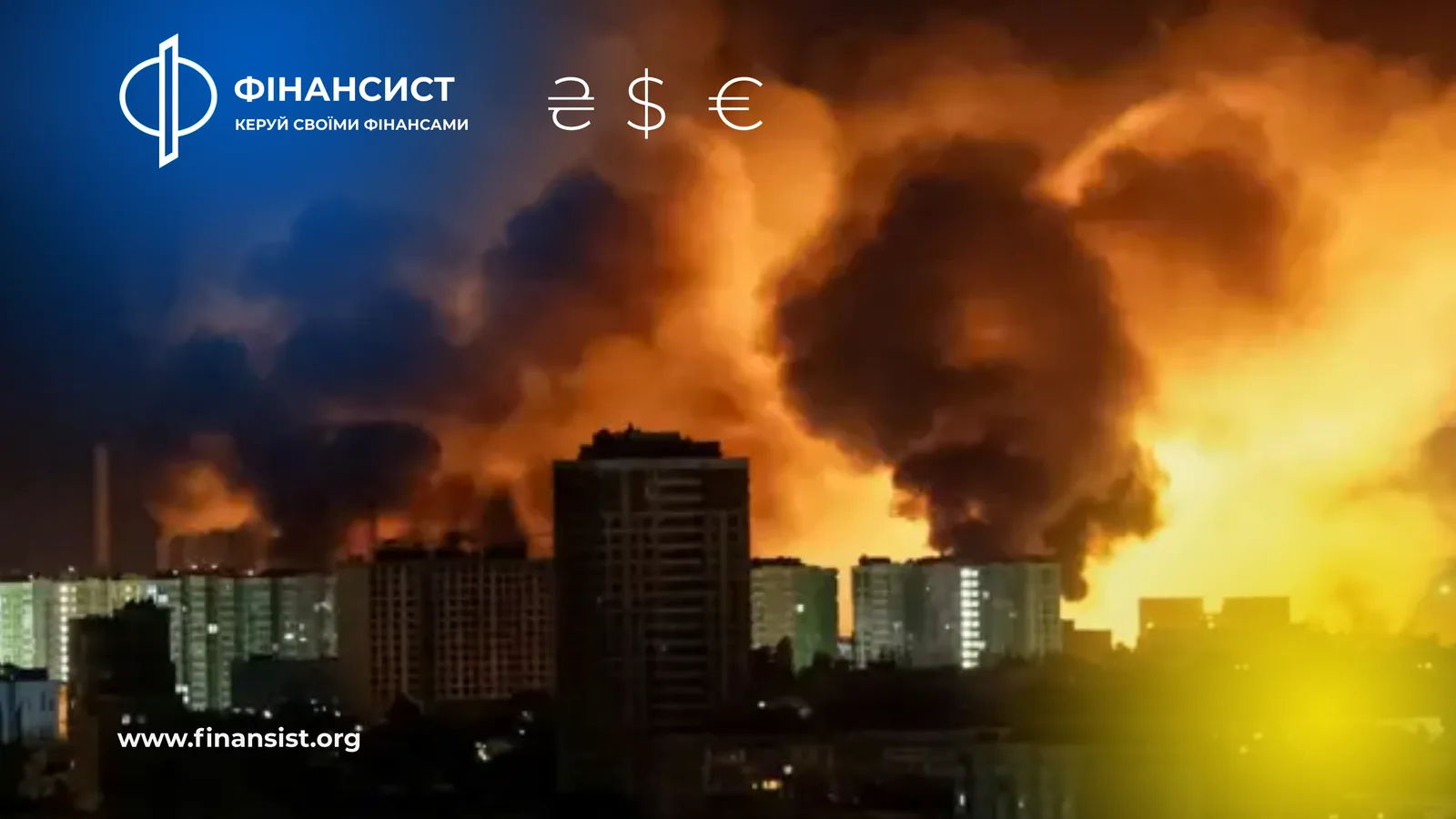
Recovery after shelling
According to Peter Panteleev, the acting first deputy head of the KMDA, the restoration of the housing stock after the Russian attacks has become one of the most costly areas for the city budget.
Because of this, the capital has to take into account significant unforeseen costs after each new strike. At the same time, despite stable tax revenues, Kyiv currently does not have the usual over-execution of the budget, so there are actually no additional free funds.
Last year, the city allocated UAH 12 billion to support military units and air defense. This year, there are fewer such financial opportunities due to the need to implement the capital's sustainability plan.
Preparation for the heating season
Kyiv's sustainability plan provides for the protection of critical infrastructure and the creation of backup heat supply systems. The total cost of relevant measures is estimated at over UAH 31 billion.
Funding for the plan was distributed equally between the state and city budgets. To fulfill its part of obligations, Kyiv also attracts credit resources from international and state financial institutions, in particular the EBRD.
By the end of the year, the city plans to launch 200 MW of cogeneration plant capacity. They should become a backup source of energy for critical infrastructure facilities.
Support of energy independence of buildings
Kyiv is also increasing funding for energy efficiency programs for the residential sector. This year, about UAH 500 million has been earmarked for co-financing condominium projects — a record figure.
Currently, about 200 solar power plants are operating in apartment buildings in the capital, and in total, various city support programs cover more than 1,000 buildings.
In case of large-scale interruptions with electricity or heat supply in winter, 10 support schools with autonomous power are planned to be opened in each district of Kyiv. All residents of the respective districts will be able to use them.